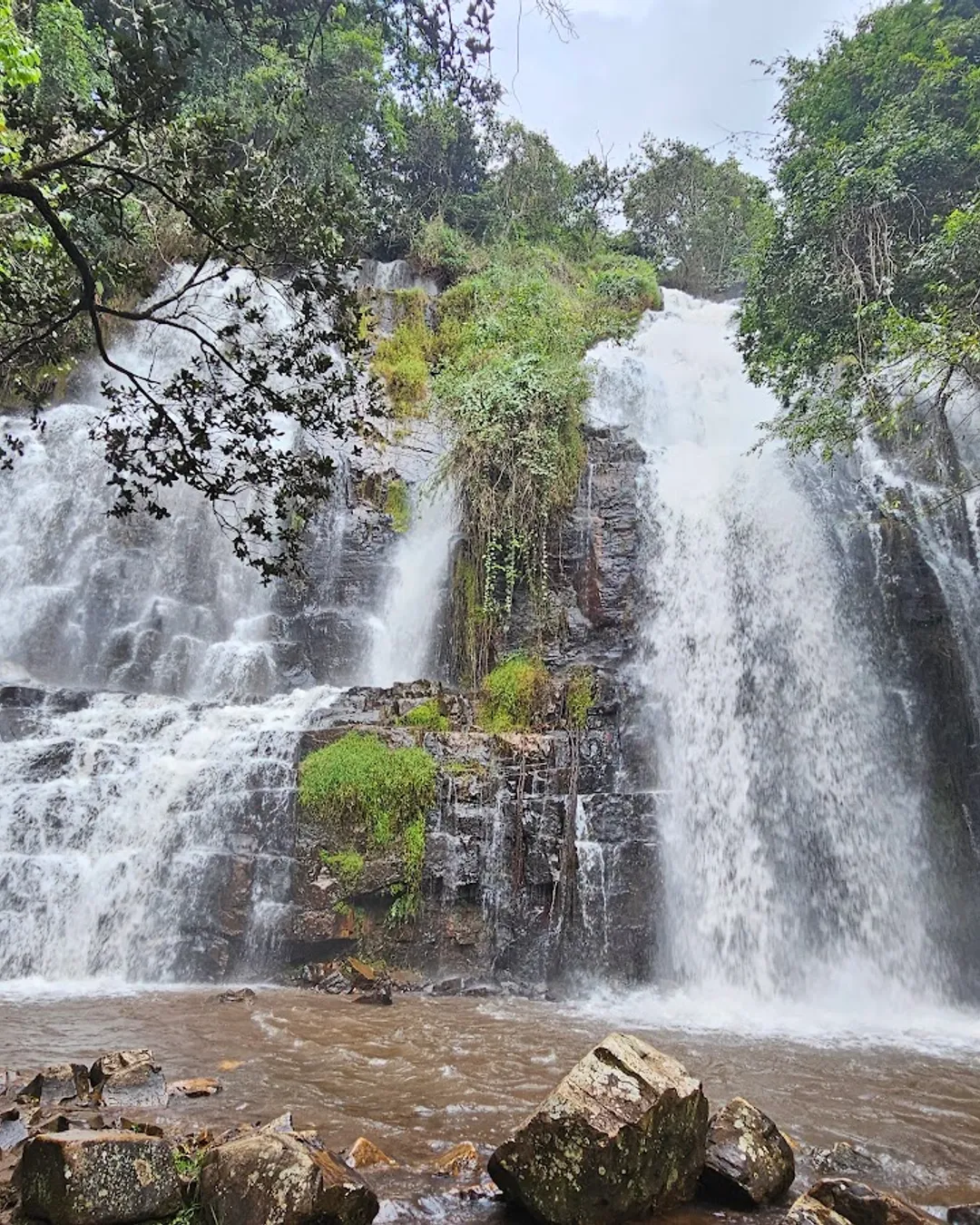
Protect the Environment and Take Care of Our Country
Protecting the environment of the country and taking care of it means
understanding that land, water, forests, air, wildlife, and ecosystems
are national treasures that belong to every citizen.
These resources must be managed responsibly to ensure they remain available
and healthy for future generations.
Conservation of natural resources is one of the most important pillars
of environmental protection. Clean air, fresh water, fertile soil,
forests, minerals, and wildlife habitats must be used wisely
and never exploited in a way that leads to depletion or permanent damage.
When forests are destroyed, rainfall patterns change.
When rivers are polluted, health problems increase.
When soil is degraded, agriculture and food security suffer.
Pollution prevention is another critical responsibility.
Waste dumped into rivers, plastic burned in open areas,
uncontrolled industrial emissions, and poor waste management
slowly poison the environment and human health.
Preventing pollution requires proper waste disposal systems,
regulation of industrial activities, recycling practices,
and reduced reliance on harmful substances.
A clean environment is directly linked to lower disease rates
and higher quality of life.
Ecosystem and biodiversity preservation ensures ecological balance
and resilience. Burundi’s parks, forests, rivers, wetlands,
and natural habitats host diverse plant and animal species.
These ecosystems regulate climate, protect water sources,
prevent erosion, and support agriculture.
Destroying them weakens nature’s ability to recover
from climate change and environmental shocks.
Environmental protection also means educating citizens,
enforcing laws, encouraging sustainable practices,
and involving communities in conservation efforts.
Development and environmental care must go hand in hand.
A nation that protects its environment builds a healthier,
stronger, and more resilient future for its people.